
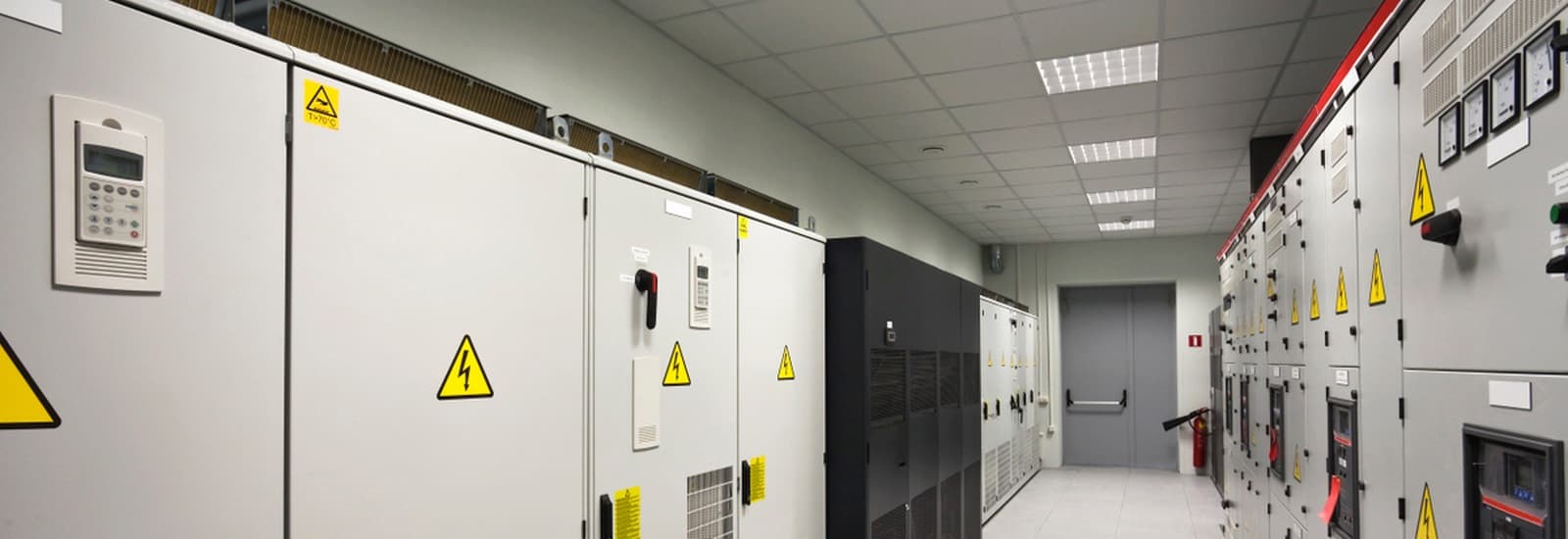
Let’s explore the most common electrical hazards in the workplace, the injuries they can cause, and practical strategies to prevent them.
Common Types of Electrical Hazards in the Workplace
Electrical hazards are dangerous conditions that lead to severe injuries, fatalities, and property damage. Here are the common examples of electrical hazards in the workplace that can lead to severe outcomes like electric shock, arc flash burns, and electrical fires:
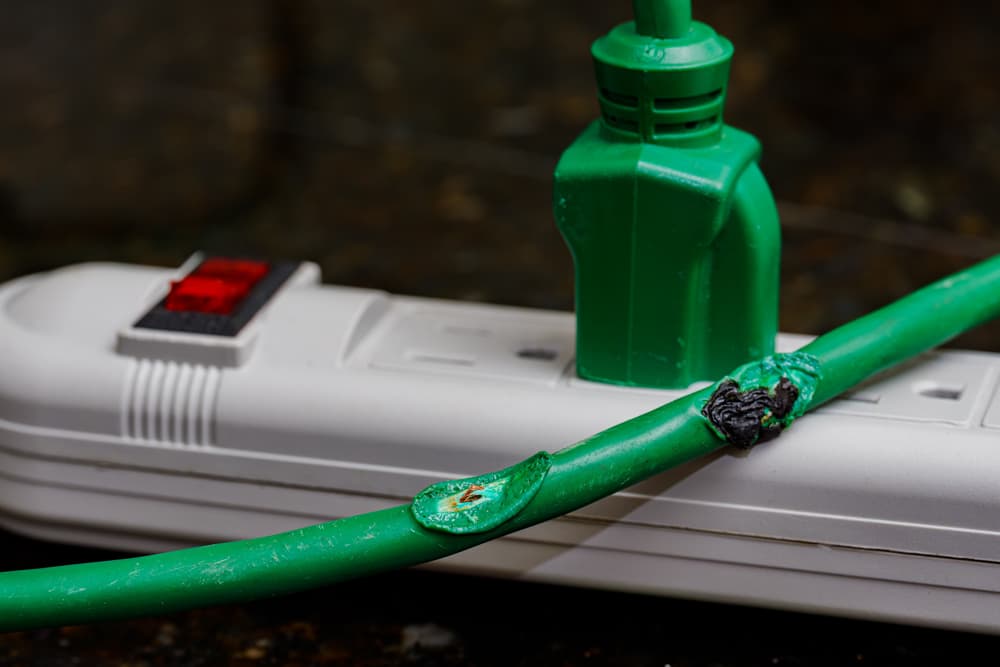







When these electrical hazards are not addressed, the consequences can be devastating, leading to immediate threats to life and operational continuity.


Electrical Hazards Risks: Worker Injuries and Business Impact
Electrical hazards in the workplace present serious risks that extend beyond isolated safety incidents. When issues such as overloaded circuits, short circuits, damaged wiring, improper grounding, or exposed energized parts are not addressed, the consequences can threaten both human life and operational continuity.
The problems caused by electrical hazards generally fall into two categories: worker injuries and fatalities, and property or operational damage.
Worker Injuries and Fatalities
Electrical energy can cause immediate and life-threatening harm. Common problems include:

Electric Shock and Electrocution
Hazards like direct contact with live electricity can lead to muscle contractions, nerve damage, cardiac arrest, respiratory paralysis, or fatal electrocution.

Electrical Burns
Deep tissue damage from current or heat from an arc flash.
Arc Flash and Arc Blast Injuries
Explosive electrical events can cause severe burns, blindness, hearing damage, and trauma from pressure waves.
Falls and Secondary Injuries
Sudden shock can cause workers to fall from ladders or elevated platforms.
Property and Business Impact
Electrical hazards can also significantly disrupt operations and create financial losses:
Fires and Explosions
Faulty wiring, short circuits, or overloaded circuits can ignite flammable materials, leading to fire safety risks and serious facility damage.

Equipment and Infrastructure Damage
Electrical faults can destroy machinery, control systems, and devices.

Power Outages
Loose connections, grounding failures, or overloads can interrupt operations.

Production Downtime
Emergency shutdowns and repairs can halt operations for hours or days.

Financial and Legal Consequences
Costs from repairs, medical treatment, insurance claims, regulatory fines, and lawsuits.

Reputational Damage
Workplace incidents can affect employee morale and client trust
Because electrical hazards can cause both worker injury and business disruption, proactive prevention is essential. Implementing the right safety measures and adherence to safety standards helps minimize these risks and ensures both safety and operational continuity.
Electrical Hazard Safety: Prevention and Emergency Readiness
Electrical hazards contribute to thousands of injuries, hundreds of fatalities, and property damage every year. Preventing these incidents requires a combination of regular electrical inspections, comprehensive employee training, and well-defined emergency response protocols. A strong workplace safety culture integrates these elements to protect both personnel and assets.
Electrical Inspections to Prevent Hazards
Electrical inspections are the backbone of proactive electrical hazard safety. There are some essential inspections, as well as possible electrical inspections, that are designed to identify, mitigate, and ultimately help eliminate potential dangers before they can lead to an electrical incident.
Essential Electrical Inspections
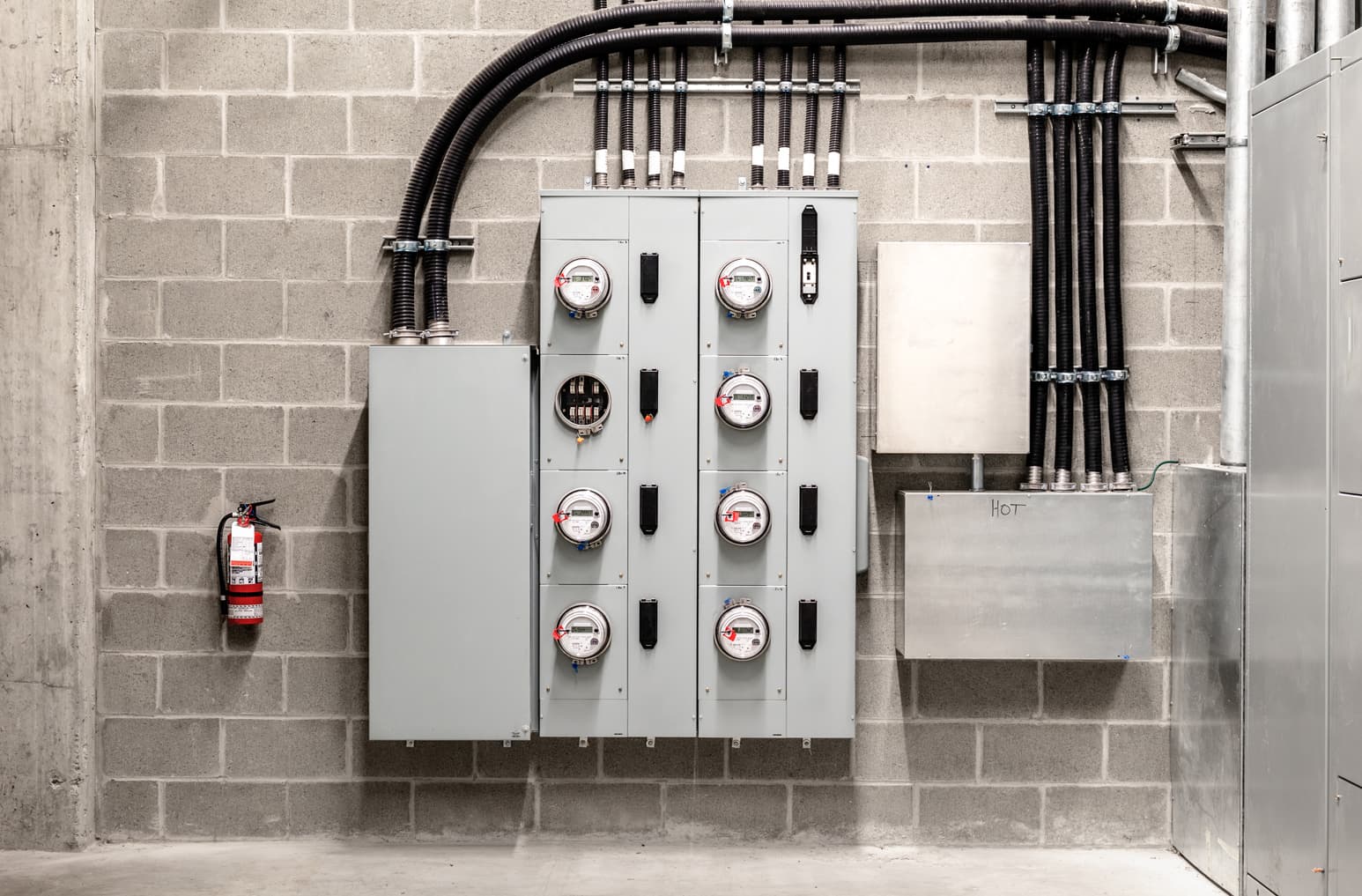
These include executing mandatory arc flash risk assessments, enforcing rigorous Lockout/Tagout procedure audits, verifying the physical integrity of switchboards and heavy machinery, and confirming operational readiness of emergency lighting and backup systems.
Possible Electrical Inspections
These include conducting high-voltage testing of wiring insulation integrity, performing power quality studies, and auditing safety programs and employee training records to ensure compliance and continuous improvement in facility safety culture.
These electrical inspections address the infrastructure, but a truly safe facility requires a fully trained workforce that understands how to interact with that infrastructure safely.
Electrical Safety Training for Employees
Effective electrical safety demands a workforce educated and empowered to recognize and mitigate potential hazards daily. A key pillar of this is comprehensive electrical safety training that aligns with the requirements of OSHA regulations and standards like NFPA 70E.
Unqualified Personnel
earn hazard recognition, safe approach distances, and when to call qualified staff.
Qualified Personnel
Receive in-depth instruction on working near live equipment, LOTO procedures, risk assessments, and proper PPE use.
Ongoing Retraining
Regular refreshers keep skills sharp, reinforce safe behaviors, and strengthen overall workplace safety.
Emergency Readiness and Response
Even with inspections and training, electrical incidents can still occur. When an accident occurs, immediate and correct action is critical to prevent further injury:
- Do Not Touch Victims: Do not touch a person still in contact with the power source.
- Cut the Power: Disconnect power at the main breaker if possible. If not, use a non-conductive object to move the source away.
- Emergency Medical Care: Call 911 immediately. If the victim is free from the source and not breathing, begin CPR.
- Fire Response: Use only Class C-rated fire extinguishers for electrical fires. Never use water unless the power is confirmed to be off.
- Downed Power Lines: If a line falls on a vehicle, stay inside. If you must exit, jump out with both feet together and shuffle away without lifting your feet.
By combining these preventive measures with emergency readiness, workplaces can significantly reduce electrical hazards while ensuring that employees know exactly how to act if an incident occurs.
Strengthen Electrical Safety and Compliance in Your Facility
Electrical hazards are a serious threat to employees, equipment, and operations, but proactive electrical safety measures can dramatically reduce risk. By combining regular inspections, targeted training, and clear emergency response protocols, facilities can prevent injuries, minimize downtime, and protect their bottom line.
Improving your workplace with high-visibility safety labels and signs, the right personal protective equipment (PPE), and tools like a free electrical inspection checklist makes it easier to implement these measures consistently. Investing in these resources not only ensures compliance with safety regulations but also builds a culture of awareness and responsibility, keeping your team, your assets, and your operations safe.
Get the Free Inspection Checklist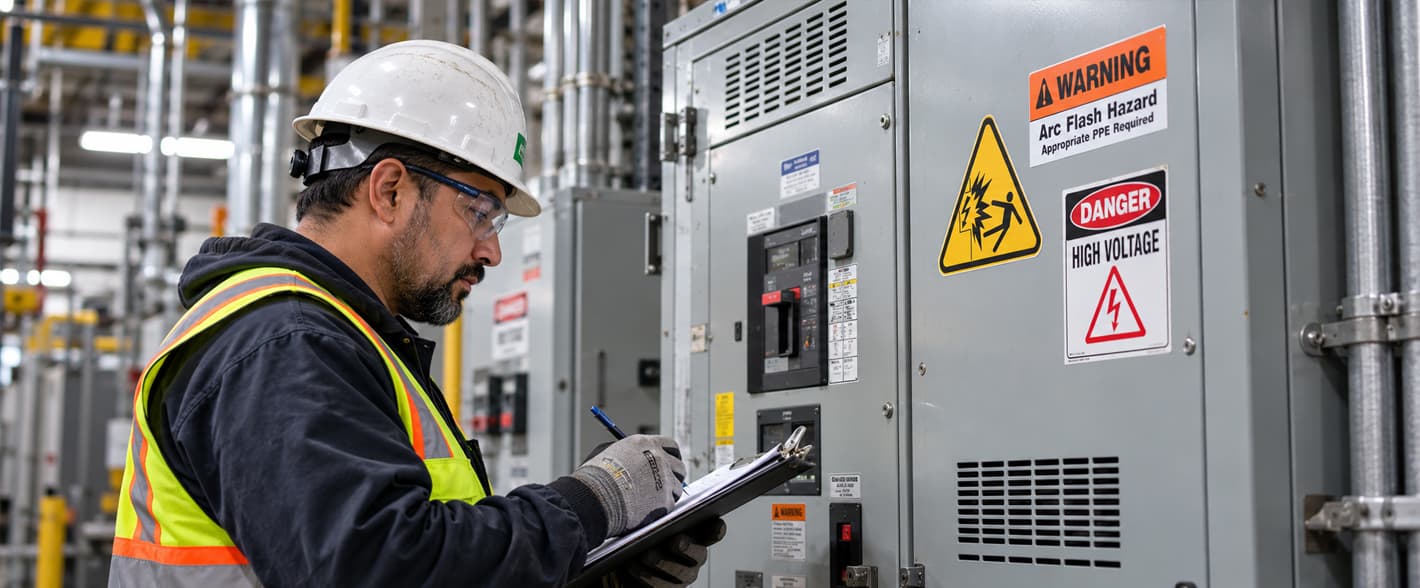
Helpful Resources