
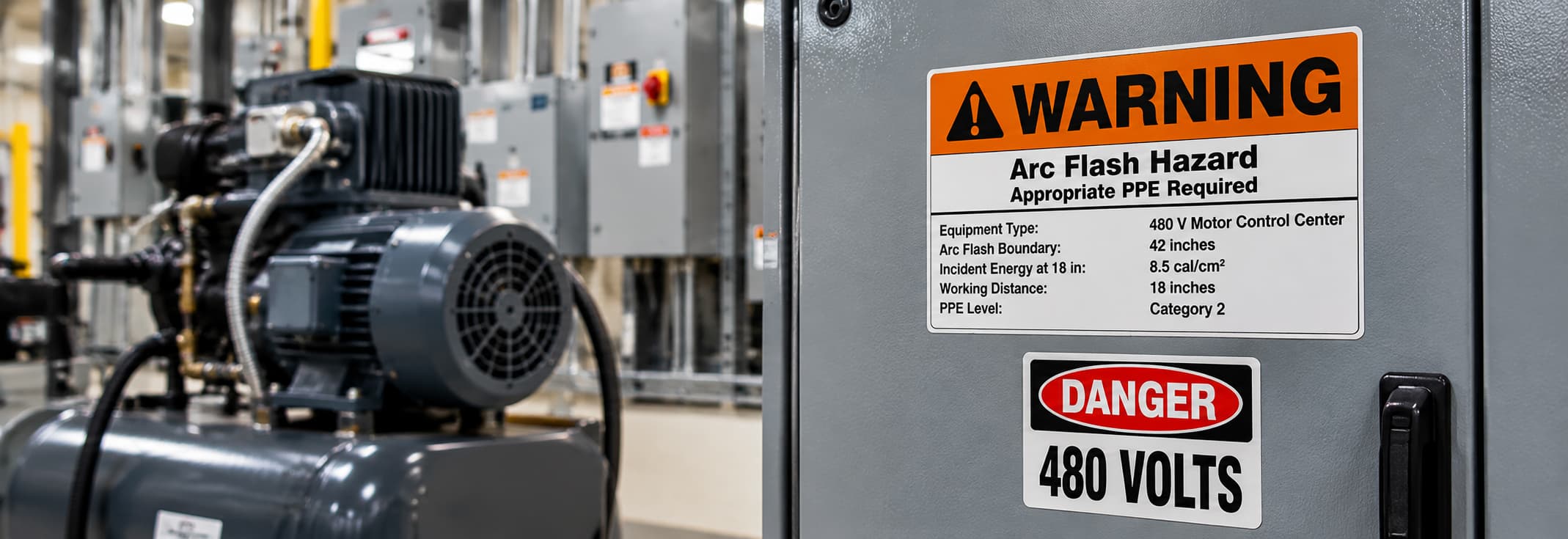
Effective electrical labeling replaces guesswork with certainty. By providing immediate technical data, maintenance guidance, and hazard warnings, these markers ensure workers can navigate complex systems safely and respond to emergencies with precision. In the modern era, with increasing regulatory scrutiny and system complexity, maintaining comprehensive labeling standards is essential for protecting the workforce and ensuring full compliance with OSHA, NEC, and NFPA 70E requirements.
In this article, we will break down the essential requirements for electrical labeling, identify high-impact use cases across a facility, and provide actionable maintenance tips to ensure your electrical labels remain durable and effective. Let’s get started!
Electrical Labeling Requirements
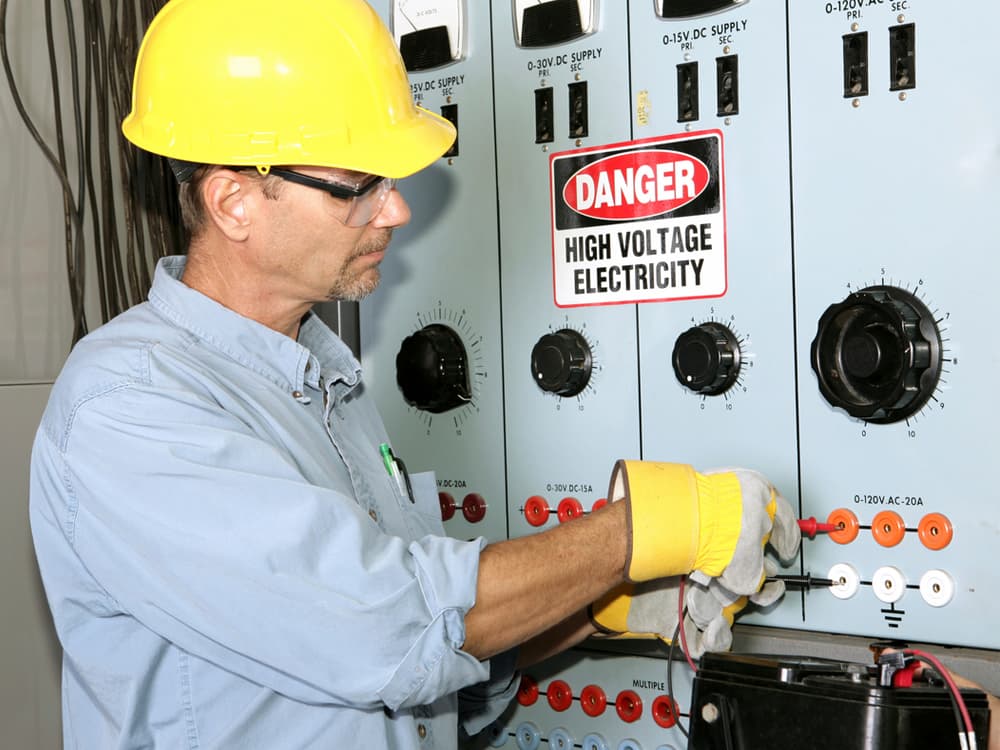
In the past, organizations and industries lacked standardized protocols for electrical labeling, relying instead on internal decisions for design, placement, and scope. These fragmented practices often proved ineffective and inefficient, failing to adequately inform personnel or facilitate safe work behaviors. The need to reduce safety risks and improve operational efficiency led to the development and adoption of comprehensive, mandatory standards by regulatory and consensus organizations like OSHA, NEC, and NFPA 70E.
Today, electrical labeling requirements are no longer left to organizational discretion. Compliance now requires adherence to updated standards like NEC, NFPA 70E, and ANSI Z535. These regulations provide a precise blueprint for label integrity and dictate how labels must look, what they must be made of, and where they must be positioned to provide effective safety guidance. Let’s look at these specific electrical labeling standards in detail:
Standardized Design and Size
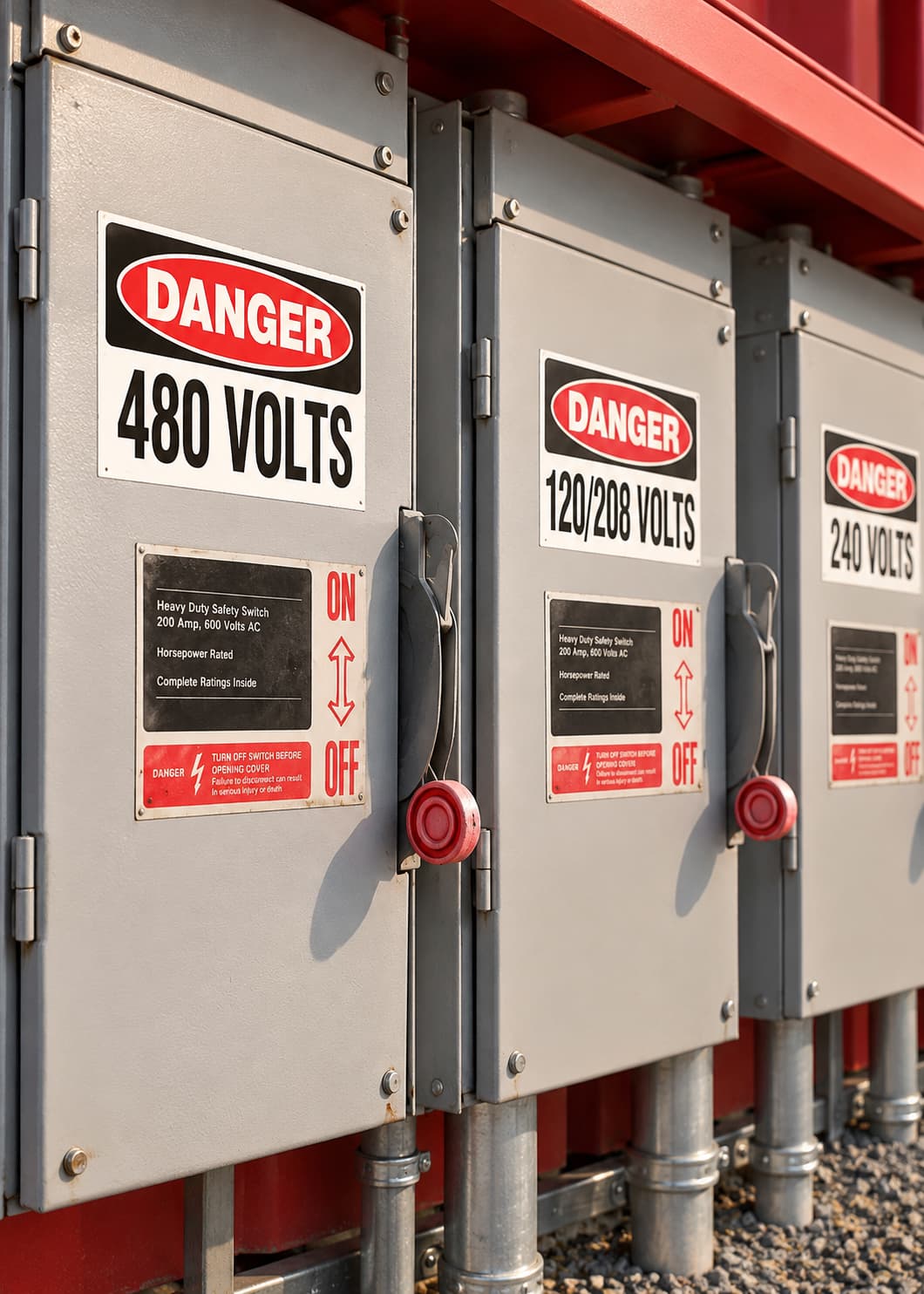
Labels must utilize specific signal words like Danger, Warning, and Caution, and color-coded headers. Font sizes are regulated based on viewing distance to ensure that essential hazard information is visible before a worker enters a danger zone.

Material Durability
As per NEC, electrical labels must be permanently affixed and engineered to withstand their environment. This means using industrial-grade label materials like vinyl that resist UV fading, chemical exposure, and extreme temperatures.

Strategic Placement
Placement guidelines require that electrical labels must be positioned on the exterior of equipment or clearly visible upon opening an access door, ensuring that technicians are alerted to specific system voltages and arc flash boundaries before any service begins.
By shifting from subjective marking to these rigorous electrical labeling standards, facilities replace guesswork with technical certainty, creating a safer and more efficient workplace. However, because safety standards evolve to address emerging risks and technological advancements, organizations must stay informed on the latest revisions to remain fully compliant.


Common Electrical Labeling Cases: What is Labeled
Electrical labels are an important safety protocol integrated into the infrastructure of residential, commercial, and industrial facilities. The following cases represent the most essential applications for these markings and signs:

Solar Panel Labeling
Solar system installations require specialized labeling because photovoltaic systems generate electricity as long as they are exposed to light, even if the main breaker is off. Labels are placed on conduits, junction boxes, and disconnects to warn emergency responders of DC voltage. This prevents accidental contact with live power during maintenance or firefighting efforts.
Electrical Panel Labeling
The electrical panel is the main component of a building's power distribution. Labeling every circuit breaker is essential because it provides a clear map of power flow. In the event of an electrical fault or a medical emergency, precise electrical panel labeling allows personnel to isolate power to a specific room or machine instantly, preventing a localized issue from becoming a facility-wide catastrophe.
Electrical Conduits Labeling
Conduits often carry multiple circuits through walls, floors, and ceilings. Labeling these pipes at regular intervals identifies the voltage level and the system type. This ensures that contractors do not accidentally cut into high-voltage lines during renovations, which could cause a lethal arc flash and other hazards.

Power Generation Facilities Labeling
In environments like power plants or data centers with backup generators, labeling manages extreme complexity. The main goal is to distinguish between Utility Power and Emergency Standby Power. Clear labels on transfer switches and busbars prevent "backfeeding", a dangerous scenario where a generator sends power back into utility lines, potentially injuring technicians working on the grid.
Placing proper electrical labels directly on these tools and machinery is important for operational clarity, hazard awareness, and reducing downtimes. These labels can also help track the maintenance history and inspection cycles of critical tools, ensuring they remain safe for use throughout the year and beyond.
Maintaining Electrical Labels for Visibility and Compliance
Electrical labeling is not a one-time task; it’s an ongoing measure to ensure markings’ effectiveness and compliance with electrical safety standards. Electrical labels and signs must remain legible, accurate, and physically intact to serve their purpose. Facilities can ensure this by reviewing labels regularly or whenever a major modification is made to the electrical system. This ensures that the incident energy and PPE requirements listed on the label remain accurate to the current state of the facility's infrastructure.
It's also important to inspect labels for physical degradation and replace faded labels with durable, industrial-grade alternatives to ensure they are visible in an emergency. Treating electrical labeling as a dynamic part of facility maintenance can help managers, safety personnel, and other stakeholders ensure that this defense against electrical hazards remains effective, efficient, and compliant.
Shop Electrical Labels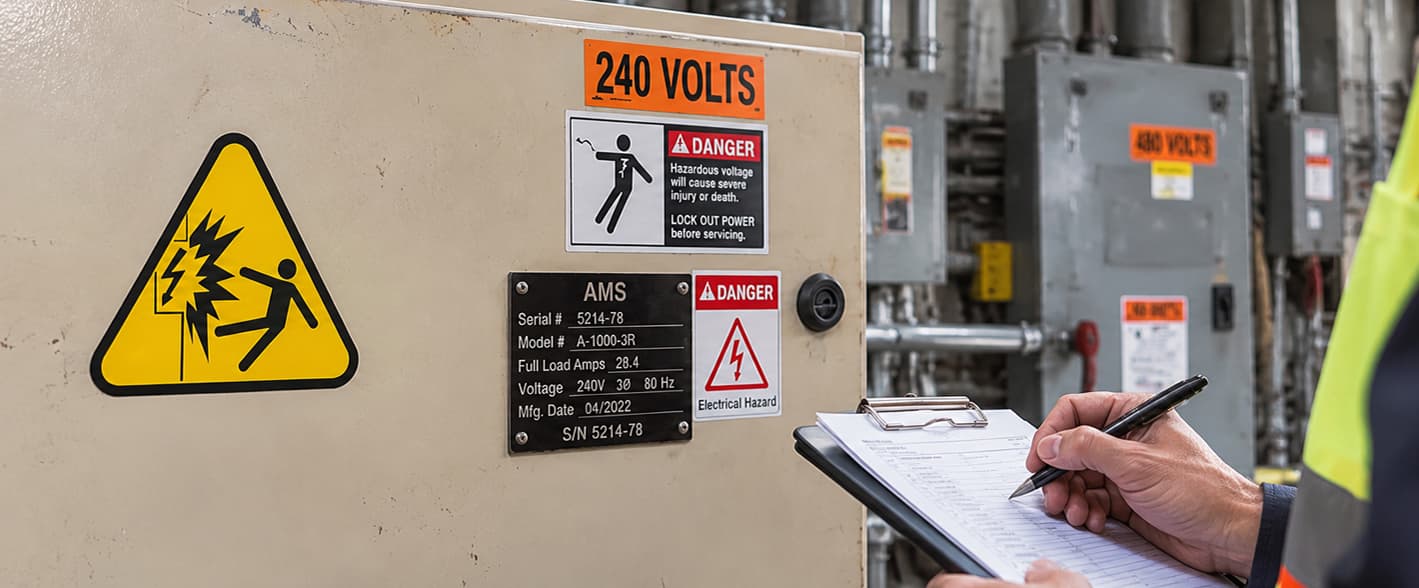
Helpful Resources