
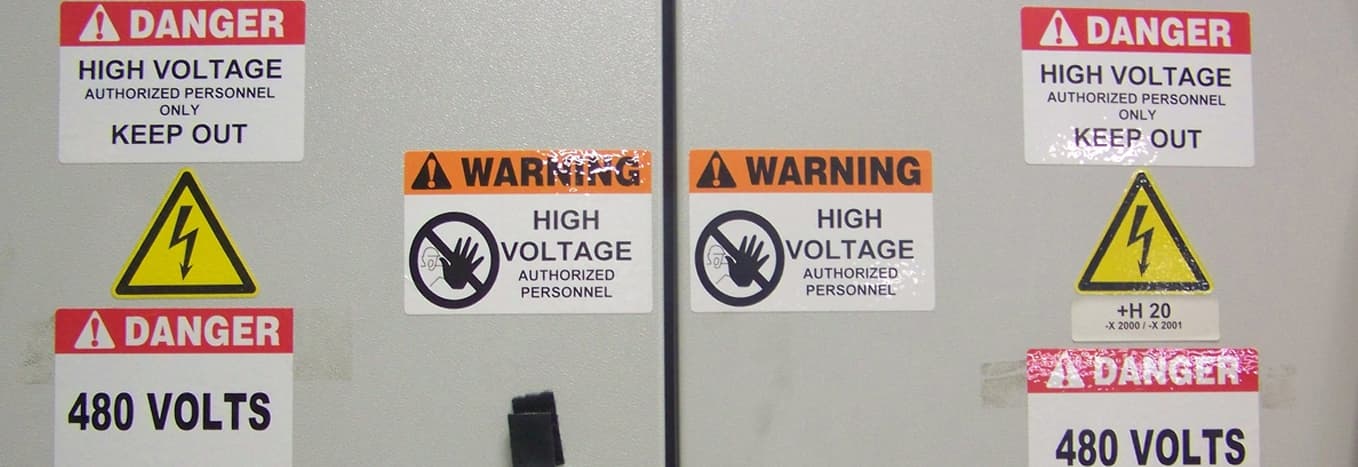
In this article, we will delve into some of the key electrical safety standards and regulations, along with the organizations that shape today's compliance landscape.
Key Players in Electrical Safety Governance
Before we examine specific electrical safety guidelines, let’s identify the major stakeholders in electrical safety governance:
OSHA (Occupational Safety and Health Administration)
This federal agency enforces workplace electrical safety regulations across the United States to protect workers from electrical hazards.
NFPA (National Fire Protection Association)
This organization develops consensus codes and standards aimed at minimizing fire risks. The main standards include NFPA 70 /NEC for safe installation, NFPA 70E for workplace safety, and NFPA 70B for equipment maintenance.

IEEE (Institute of Electrical and Electronics Engineers)
This organization creates technical standards that drive innovation and safety, including the National Electrical Safety Code (NESC), which helps protect utility workers and the public.
Understanding these organizations and their contributions helps to understand the framework of electrical safety standards that ensure safety in modern workplaces that are increasingly reliant on electrical systems.
OSHA Electrical Safety Standards and Regulations
OSHA understands the dangers of working with electricity. Determined to keep American workers safe, OSHA provides specific electrical standards for the general industry and maritime. Below is a detailed overview of the key OSHA regulations related to electrical safety:
Electrical Safety Standards for General Industry
OSHA outlines essential electrical safety regulations in its General Industry standard (1910) across the following three sections:
1910 Subpart I (Personal Protective Equipment)
This regulation outlines the requirements for personal protective equipment necessary to ensure worker safety when handling electrical tasks.
1910 Subpart R (Special Industries)
This section addresses electrical safety for specific, high-risk industries that require tailored standards beyond the general industry rules.
1910 Subpart S
The regulations in this part focus on electrical safety standards specific to general industry, detailing the necessary precautions and protocols to prevent electrical accidents.
Electrical Safety Standards for Maritime
The maritime industry presents unique electrical hazards, including machinery and equipment hazards and fire hazards. To mitigate these dangers, OSHA provides essential guidelines tailored for maritime environments. These guidelines are primarily found in:
1915 Subpart L (Electrical Machinery)
This standard establishes guidelines for the safe operation and maintenance of electrical machinery used in maritime environments.
1917 Subpart G (Related Terminal Operations and Equipment)
This regulation governs the safe handling and operation of electrical equipment and machinery in terminal operations.
Electrical Safety Standards for Construction
1926 Subpart K
This standard establishes comprehensive safety requirements to protect construction employees from electrical hazards, covering regulations for both temporary and permanent equipment and installations.
By adhering to these electrical safety standards, employers can create a safer work environment, reducing injuries and accidents related to electrical hazards. Non-compliance with these standards can increase the risk of safety incidents and enforcement actions by OSHA, including penalties based on the type of violation.
- Key Players in Electrical Safety Governance
- OSHA Electrical Safety Standards and Regulations
- OSHA Electrical Violations
- National Fire Protection Association (NFPA) Electrical Safety Standards
- IEEE and the National Electrical Safety Code (NESC)
- European Electrical Safety Standards
- Implementing Best Electrical Safety Practices
- Enforce Electrical Safety Standards & Regulations With Creative Safety Supply


OSHA Electrical Violations
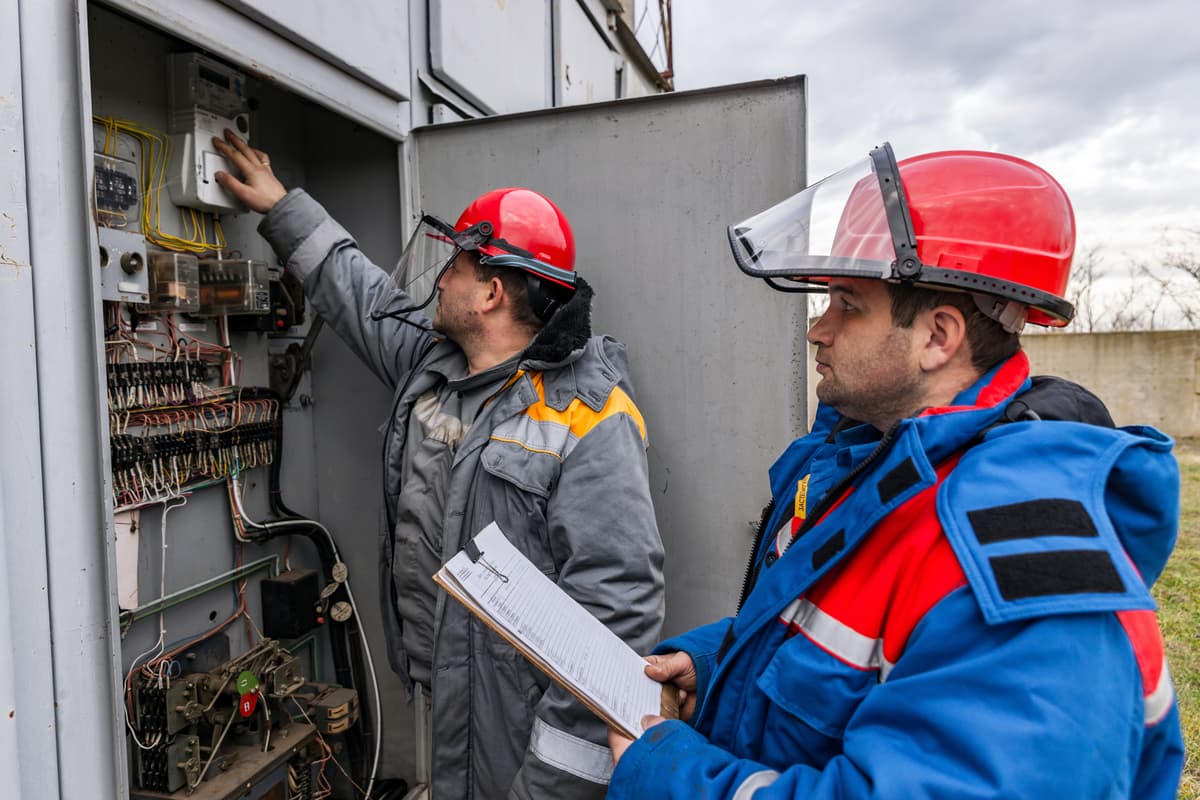
OSHA’s electrical violations are citations issued when workplaces fail to adhere to the OSHA industry-specific electrical safety regulations designed to prevent electric shock, electrocution, fires, and explosions. Non-compliance can lead to significant fines and financial penalties aimed at enforcing adherence to safety standards. OSHA classifies these violations into several categories by their severity:
- Minor, technical violations
- Other-than-serious violations
- Failure to abate violations
- Serious violations
- Willful violations
- Repeated violations
National Fire Protection Association (NFPA) Electrical Safety Standards
While OSHA enforces electrical safety regulations, NFPA develops widely adopted safety standards that support compliance. The major electrical safety standards include NFPA 70/NEC, NFPA 70E, and NFPA 70B. Let’s look at each of these standards.
NFPA 70: The National Electrical Code (NEC)
The National Electrical Code (NEC), also known as NFPA 70, governs safe electrical installation practices. It is adopted by states and local jurisdictions and forms the foundation for compliant electrical design. The code mandates standardized regulations for electrical wiring, grounding, and equipment, covering residential, commercial, and industrial infrastructures.
NFPA 70E: Standard for Electrical Safety in the Workplace
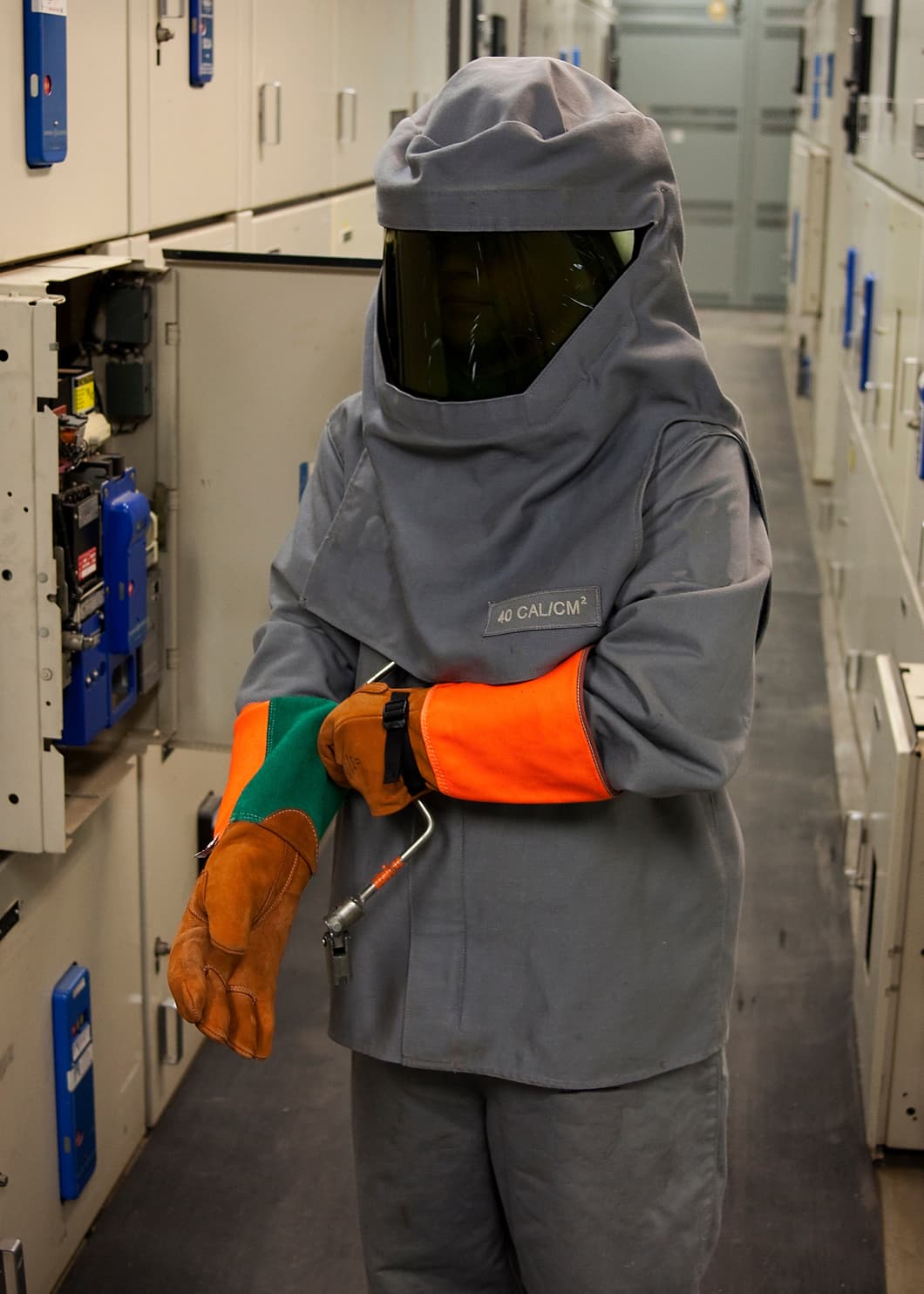
The NFPA 70E focuses on safe work practices, arc flash risk assessments, shock protection boundaries, and PPE requirements for energized work.

NFPA 70B: Standard for Electrical Equipment Maintenance
With proper procedures and safe design, routine maintenance goes hand in hand. The NFPA 70B provides guidance for preventive and predictive maintenance of electrical equipment to reduce failure and hazard risks.
IEEE and the National Electrical Safety Code (NESC)
The IEEE publishes the NESC, which is a consensus-based standard that provides practical rules to ensure worker safety. Published every five years, the NESC is continuously revised and adopted for clarity and enhanced protection.
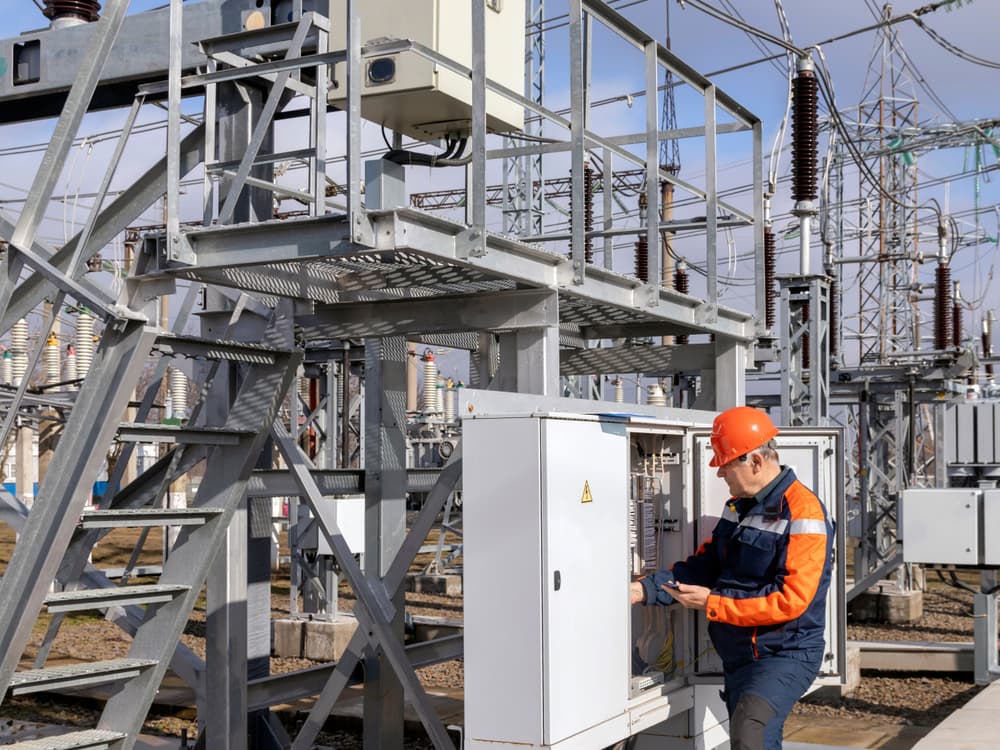
The NESC highlights safety practices for workers and individuals in proximity to utility infrastructure and equipment. This includes proximity to overhead and underground conductors, transformers, circuit breakers, and storage batteries. Approved by the American National Standards Institute (ANSI), it is also considered the ANSI C2 standard.
The National Electrical Safety Code is the cornerstone of electrical safety and is solely reserved for the nation’s electric and communications utilities. NFPA 70, on the other hand, is typically authorized for residential, commercial, and industrial structures.
Currently, at the start of the new cycle, the NESC is set to adopt new comments and revisions provided by stakeholders and technical subcommittee members. From technical clarifications to big changes, the NESC is set to evolve under professional and practical insights.
European Electrical Safety Standards
Like America, Europe has its own set of electrical safety standards defined by trustworthy organizations. This includes the CENELEC (European Committee for Electrotechnical Standardisation) and CEN (European Committee for Standardisation), both of which are backed by the European Commission.
The CENELEC is solely responsible for standardization in the electro-technical engineering field. It offers recommendations for a wide range of electronics and electrical systems. This also includes electromagnetic compatibility (EMC) that supports EU directives. Whereas the CEN closely works with the CENELEC to cover cross-sectoral standardization activities. It aims to cover European standards for products, services, and processes to support the European market and public.
Together, the two non-profit organizations work to provide standardized safety systems that refine and promote products, systems, and services for the European market.
Implementing Best Electrical Safety Practices
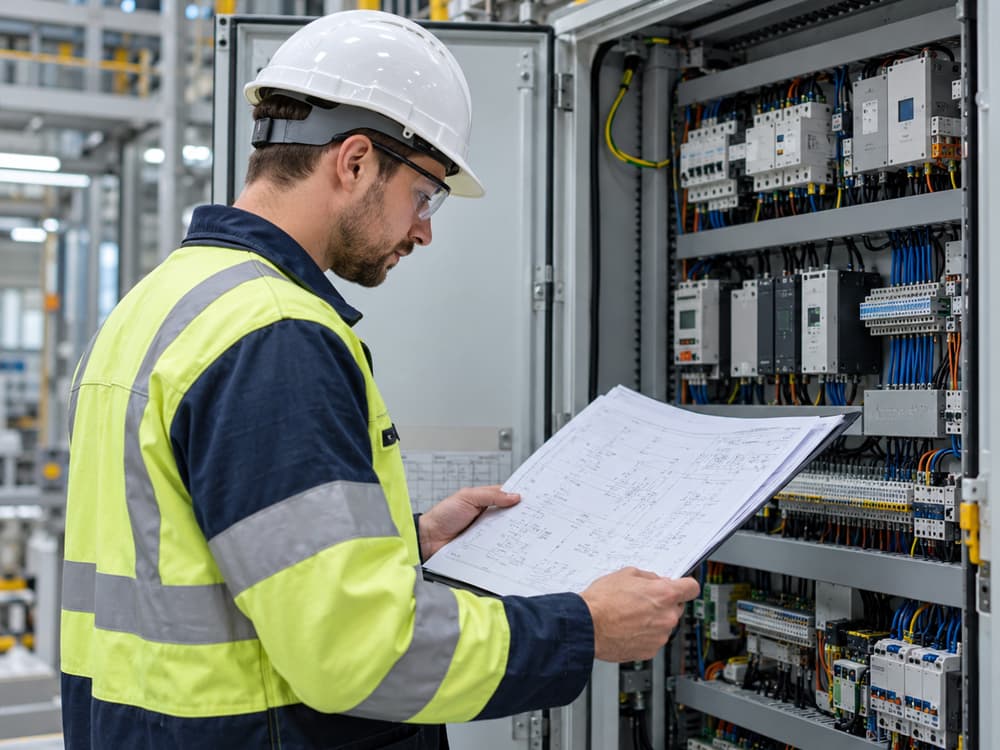
Practicing electrical safety demands extensive work. From developing routine safety practices to training employees on the latest regulations, there are a lot of factors that come into play. To help you get started, we’ve compiled a list of the best electrical safety practices and a routine inspection checklist that you can use to minimize hazards and take control during emergencies.
Enforce Electrical Safety Standards & Regulations With Creative Safety Supply
Implementing electrical safety standards can change your facility for the better. At Creative Safety Supply, we’re committed to delivering informative advice and industrial-grade tools and safety supplies to protect lives, safeguard property, and meet regulatory standards that preserve workplace safety.
Get the Free Inspection Checklist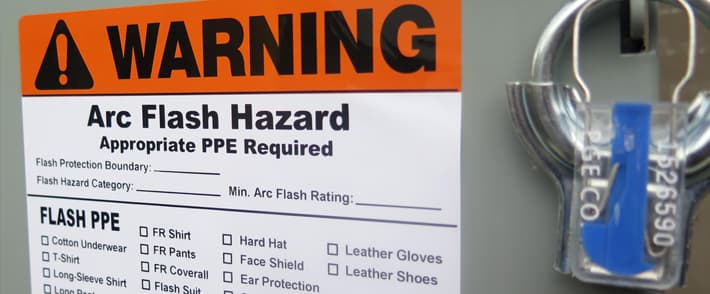
Helpful Resources