
Lean vs. Six Sigma: Which is Better for Your Business?
Inefficiency in business processes can lead to customer dissatisfaction and increased costs. For example, an inventory mismanagement in a global e-commerce warehouse can lead to significant operational and financial problems. When items are misplaced, order pickers waste time searching, potentially selecting the wrong products. This results in longer delivery times, increased returns, and ultimately, dissatisfied customers and lost revenue.
That’s why forward-thinking businesses adopt process improvement methodologies such as Lean and Six Sigma. But which one is right for your business?
In this article, we will break down the core principles of Lean and Six Sigma, highlight their differences, and walk you through how to determine which methodology best fits your business goals and objectives.
What Is the Lean Method?
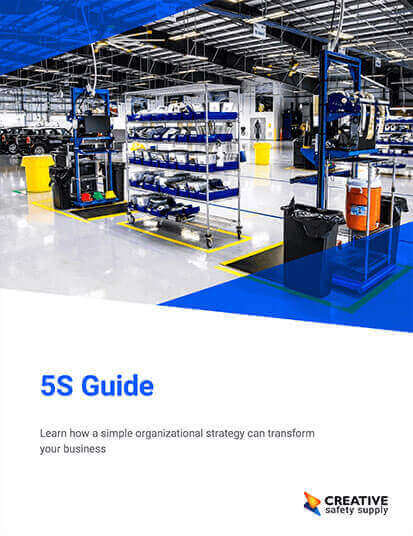
The Lean method is a philosophy and set of practices focused on maximizing value for the customer while minimizing waste and inefficiencies in processes. It emphasizes continuous improvement and the efficient use of resources to streamline operations, reduce costs, and enhance quality. The 5S methodology, which focuses on workplace organization and standardization, is a prime example of a concept derived from Lean management.
The Lean method follows five key principles that guide businesses to work smarter and more efficiently. These include:
- Identify value: Determine what your customers really care about in your product or service. That's the value they're paying for.
- Map the value stream: Trace the steps it takes to create your product or service from start to finish. This helps you understand the entire process and identify any unnecessary steps or delays.
- Create flow: Arrange your processes so that work flows smoothly from one step to the next, without stopping or getting stuck (particularly in emergency situations). This helps things move faster and reduces waiting times.
- Establish pull: Instead of making products ahead of time and piling up inventory, manufacture products as they're needed. This ‘pulls’ production along and reduces waste.
- Strive for perfection: Keep looking for ways to improve. Encourage everyone in your organization to make suggestions and keep refining processes to make them as efficient as possible.
The Lean method was initially developed by Toyota in an attempt to reduce production costs.
What Is Six Sigma?
Six Sigma is a data-driven methodology focused on improving business processes by minimizing defects and variability. It was developed by Bill Smith, an engineer at Motorola, in the 1980s to reduce variations in the company’s electronic products. Six Sigma utilizes two primary, five-step approaches: DMAIC and DMADV.
DMAIC
Define: Clearly identify the problem, project goals, and customer requirements. This phase establishes the scope and objectives of the project.
Measure: Quantify the current process performance by collecting relevant data. This step involves gathering data to understand the current state and establish a baseline.
Analyze: Examine the collected data to identify the root causes of defects or problems. This phase utilizes statistical tools to analyze the data and pinpoint the underlying issues.
Improve: Implement solutions to address the root causes and improve the process. This step involves developing and testing potential solutions to optimize the process.
Control: Establish measures to sustain the improvements and monitor ongoing performance. This phase ensures the implemented changes are effective and the process remains optimized over time.
For new processes, you can use the DMADV version of the Six Sigma model, which stands for:
- Define
- Measure
- Analyze
- Design
- Validate
The only difference between the two is the last two steps of DMADV: design and validation. When it comes to design, you have to create a new process to meet customer expectations and needs. The validation step is all about testing the designed process to assess its effectiveness.
Now that you have developed a basic understanding of Lean and Six Sigma methodologies, let’s look at the key difference between the two models.
Lean Versus Six Sigma: How Are They Different?
Here are the major differences between Six Sigma and Lean methodologies:
- Focus: Six Sigma targets defect reduction and process consistency, while the Lean method concentrates on waste elimination and value enhancement.
- Methodology: Six Sigma employs statistical analysis and data-driven decision-making, whereas the Lean method emphasizes process standardization
- Problem-solving: Six Sigma's DMAIC framework provides a structured path for problem-solving, while the Lean method’s focus on continuous improvement makes it a flexible approach.
- Scope: Six Sigma is good for complex problems that require accuracy and error- minimization. Conversely, the Lean method is better suited for high-volume, repetitive processes that need speed maximization and waste minimization.
How to Choose Between Lean and Six Sigma?
When determining the best process improvement methodology for your business, consider factors like:
Goals: Align the methodology, Lean or Six Sigma, with your specific objectives. If you want to reduce defects and improve quality, Six Sigma is a good fit. If you want to streamline workflows and reduce waste, Lean is a better choice.
Existing Processes: Evaluate the maturity and complexity of your current processes. Lean is often a good starting point for simpler processes, while Six Sigma is better suited for more complex and data-rich situations.
Business Culture: Consider your organization's culture and its receptiveness to change and data-driven approaches. Lean often requires a more flexible and adaptable culture, while Six Sigma requires a strong commitment to data analysis.
Industry: Consider the specific requirements of your industry. Some industries may be more naturally suited to one methodology over the other. For instance, industries with strict quality control regulations (like the pharmaceutical sector) may benefit from Six Sigma's data-driven precision, while industries with dynamic processes (like traditional widget manufacturers) are likely to benefit more from the flexibility of the Lean method.
Resources: Evaluate the resources available (time, budget, personnel) to implement the chosen methodology. Six Sigma can be more resource-intensive due to the need for specialized training and statistical analysis.
By carefully considering the above factors, you can determine the best methodology, Lean vs Sigma, or a combination of both (Lean Six Sigma), to achieve their specific goals and drive meaningful process improvements.
Lean Six Sigma is widely adopted today for its comprehensive approach to process improvement. Combining Lean and Six Sigma approaches allows organizations to achieve rapid, transformational improvements at a lower cost. You can choose either of the three options based on your goals and circumstances.
Conclusion
Lean and Six Sigma are both process improvement methodologies, but they differ in their primary focus and tools. Lean focuses on eliminating waste and optimizing process flow to increase speed and efficiency. Six Sigma focuses on reducing variation and defects to improve quality and consistency. Combining them into Lean Six Sigma offers a comprehensive approach to process improvement, where businesses can address both efficiency and quality concerns depending on their specific needs.