What Does PPE Stand For?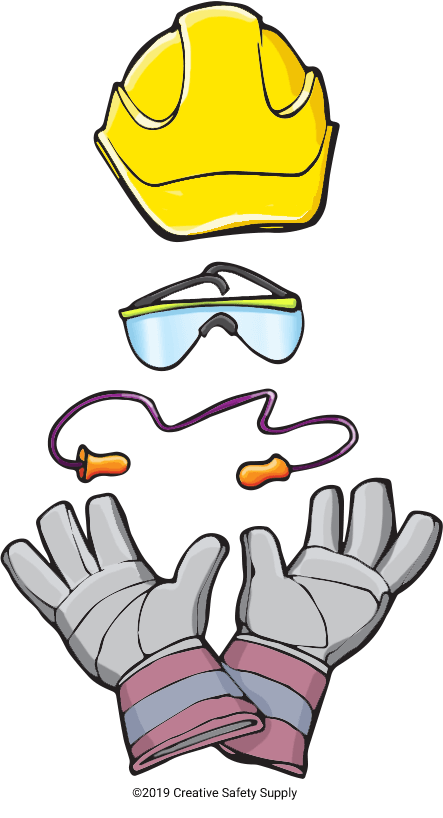
PPE stands for Personal Protective Equipment, which refers to clothing or gear worn to minimize exposure to hazards that can cause injury or illness. Each part of the acronym PPE highlights a core aspect of its purpose:
Personal: PPE is intended for individual use. It is specific to the worker’s role and job-related hazards.
Protective: The equipment is designed to act as a barrier against potential risks, such as chemical spills, impact injuries, sharp materials, and airborne hazards.
Equipment: PPE includes a variety of safety gear, such as helmets, gloves, goggles, and respirators, each crafted to protect against specific dangers.
Personal Protective Equipment (PPE) is essential for worker safety, acting as a barrier against workplace hazards. There are various types of PPE, including head protection, eye and face protection, respiratory protection, hand and foot protection, and body protection. It’s important to choose the right PPE by assessing workplace hazards, ensuring proper fit and comfort, and considering industry standards and regulations.
FAQs
What Does PPE Stand For, and Why Is It Important?
PPE stands for Personal Protective Equipment, and it’s crucial for protecting individuals from potential workplace hazards. It reduces exposure to injuries, infections, and harmful substances, playing a vital role in workplace safety.How Do I Choose the Right PPE for My Workplace?
Selecting the right PPE involves understanding the specific hazards in your workplace, considering the fit and comfort, checking compatibility with other PPE, and providing training on proper use.How Often Should PPE Be Inspected and Maintained?
PPE should be inspected regularly according to the manufacturer’s guidelines and before each use. Maintenance schedules may vary based on usage and the type of equipment but generally should be frequent for high-risk equipment.PPE is used when?
PPE is used whenever there is a risk of exposure to hazards that could impact an employee’s health and safety. It is commonly required in workplaces dealing with chemical, physical, biological, or radiological hazards.Who is responsible for buying PPE?
Employers are responsible for purchasing and providing PPE to workers at no cost, as mandated by OSHA regulations.Who is responsible for training workers on the use of PPE?
Employers are responsible for training workers on the correct use, maintenance, and limitations of PPE. Training should be part of a comprehensive safety program and updated regularly.What should you consider when choosing the type of full-body protection you use?
Consider the specific hazards present, the type of materials required for protection, comfort, and the compatibility of the PPE with other safety gear. Full-body protection should align with both the job requirements and the risk level.Who is responsible for making sure that PPE fits each worker properly?
Employers are responsible for ensuring that PPE fits each worker properly to provide maximum protection.